
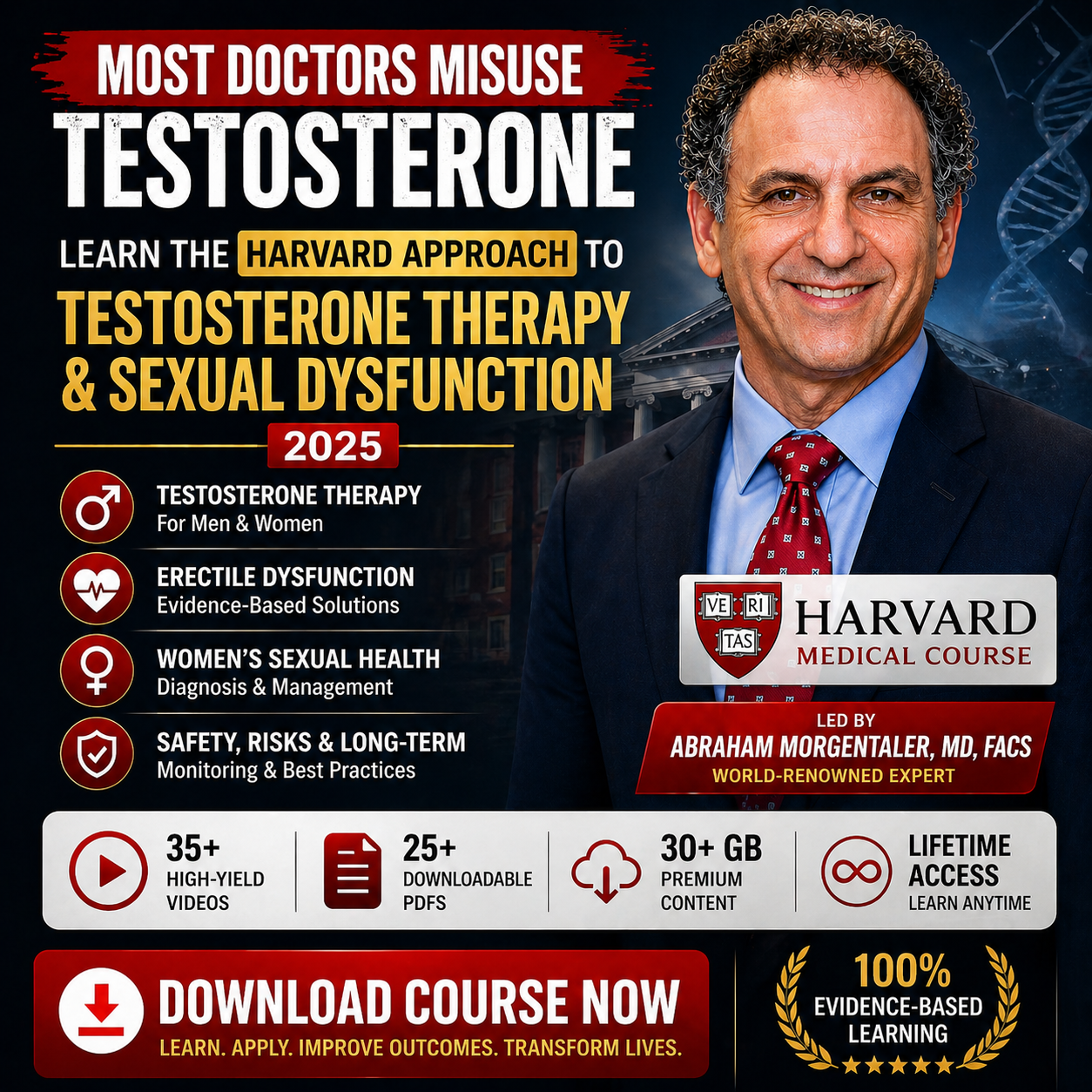
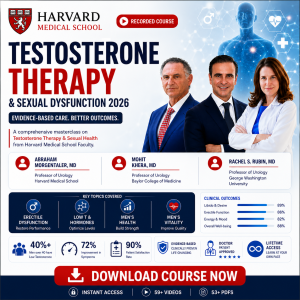

Practice-Changing Education Led by Men’s Health Pioneer Abraham Morgentaler
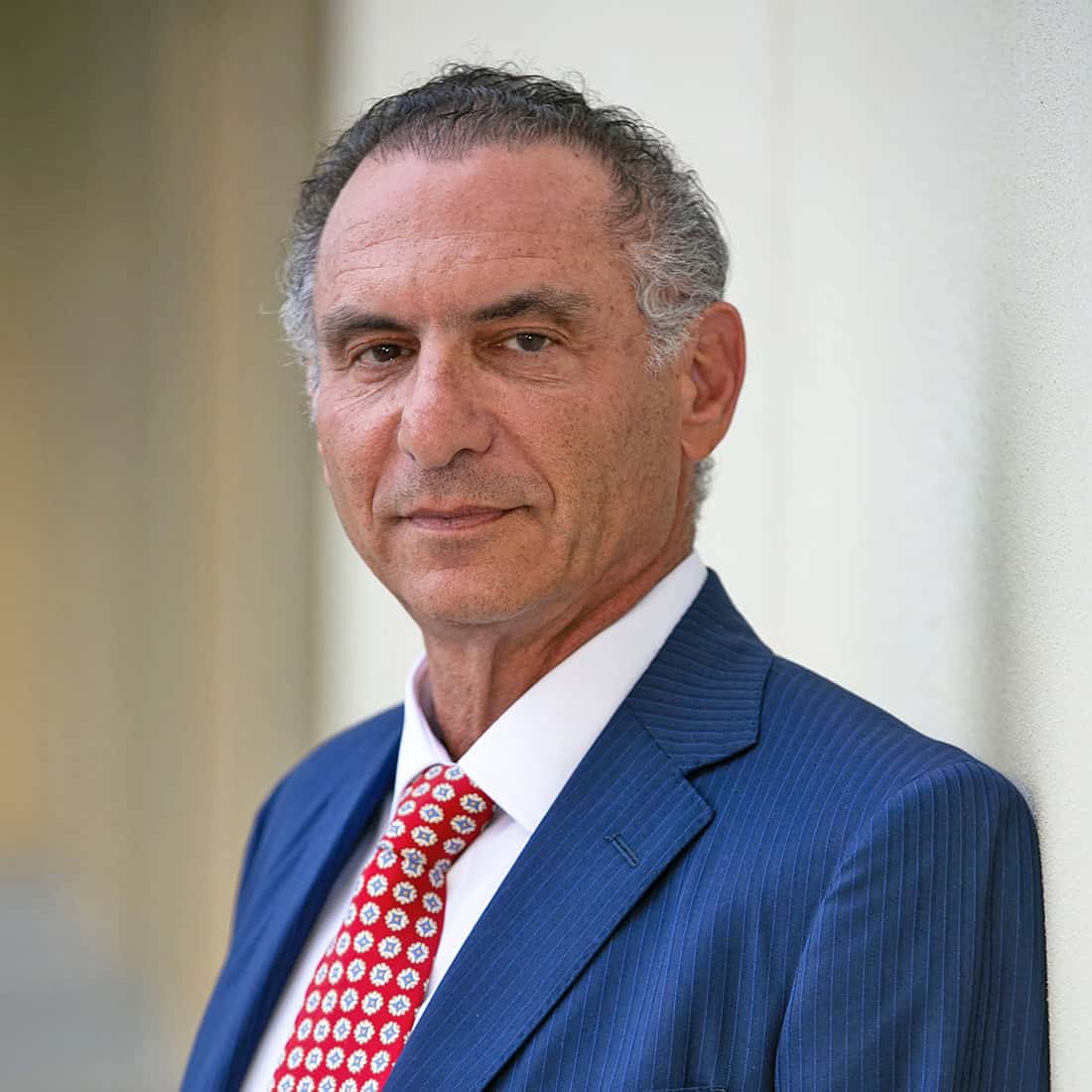
The course is led by men’s health pioneer Abraham Morgentaler, MD, FACS, whose research in the field transformed our understanding of the science of testosterone in men.
Dr. Morgentaler has brought together an all-star faculty of thought leaders to explore the most pressing issues and controversies in the field. Through a combination of scientific insight and clinical expertise, the course will demystify complex topics and offer evidence-based treatment strategies. It will also cover the management of common sexual concerns in men, such as erectile dysfunction, and in women, including hypoactive sexual desire disorder.
Abraham Morgentaler, MD, FACS
COURSE DIRECTOR
Director, Men’s Health Boston
Associate Clinical Professor of Urology
Harvard Medical School
Associate Clinical Professor of Urology
Harvard Medical School
Dr. Morgentaler is a researcher, author, medical commentator, and practitioner in men’s health and sexual medicine. He is the Director of Men’s Health Boston and Associate Clinical Professor of Urology at Harvard Medical School.
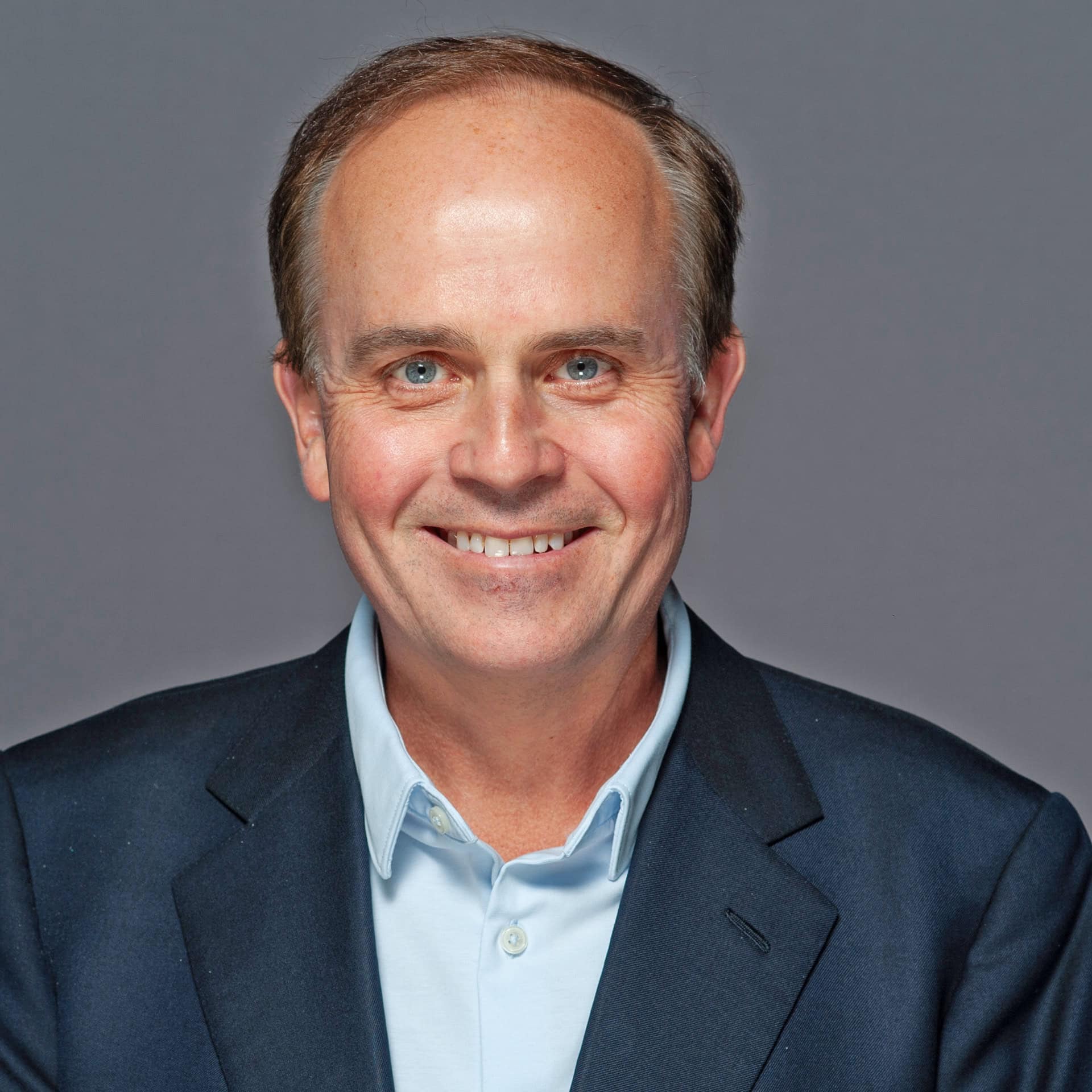
Marc R. Avram, MD
FACULTY
Clinical Professor of Dermatology
Weill Cornell Medical College
Weill Cornell Medical College
Marc Avram, MD is a board-certified dermatologist and cosmetic surgeon. He is Clinical Professor of Dermatology at Weill Cornell Medical College.

Marianne Brandon, PhD
FACULTY
Clinical Psychologist and Sex Therapist
Dr. Marianne Brandon is a clinical psychologist and diplomat in sex therapy. She is the author of "Monogamy: The Untold Story" and "Unlocking the Sexy in Surrender".
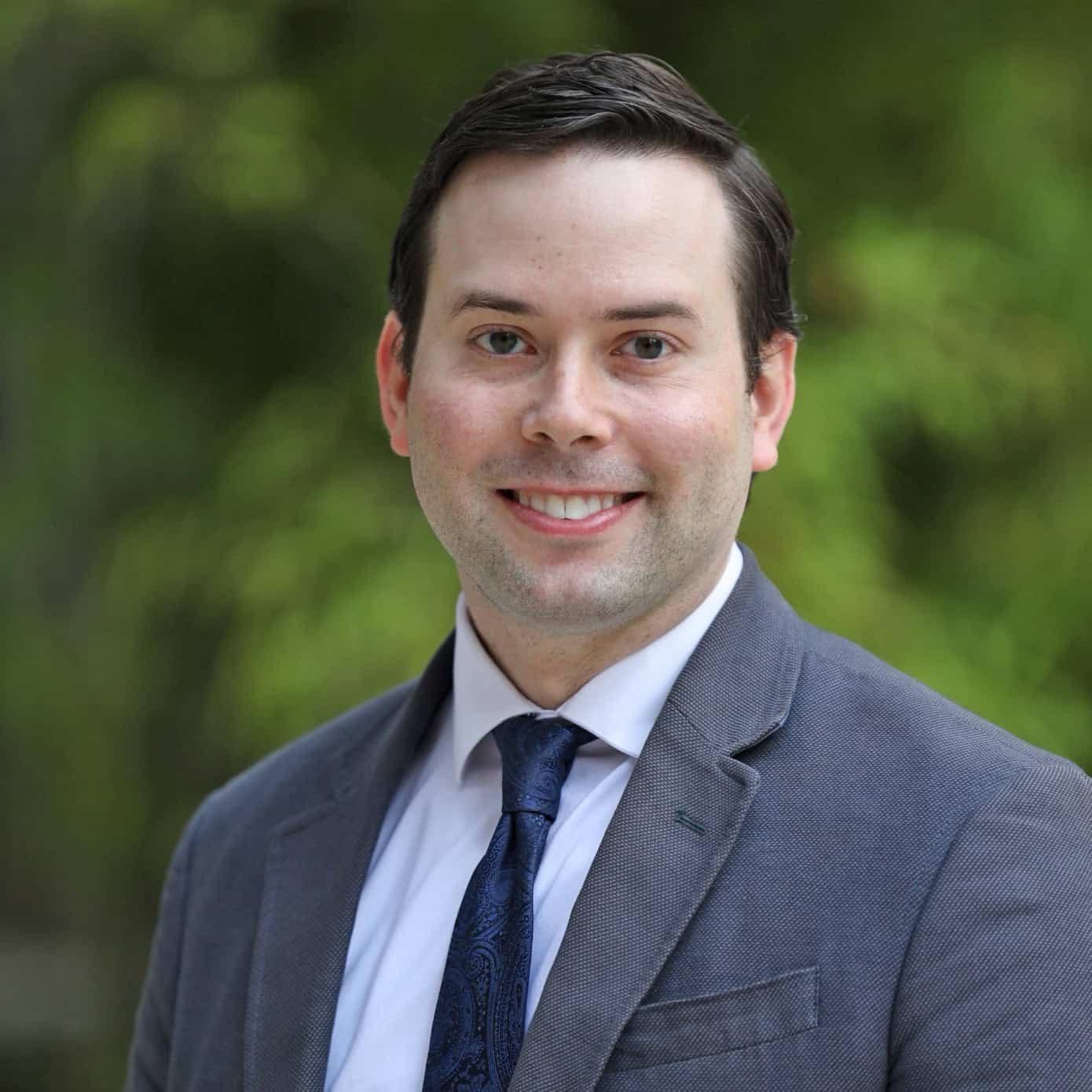
Kevin J. Campbell, MD, MS
FACULTY
Assistant Professor, Department of Urology
University of Florida College of Medicine
University of Florida College of Medicine
Dr. Kevin Campbell is a board-certified urologist specializing in male reproductive medicine and surgery. He is an Assistant Professor at the University of Florida.
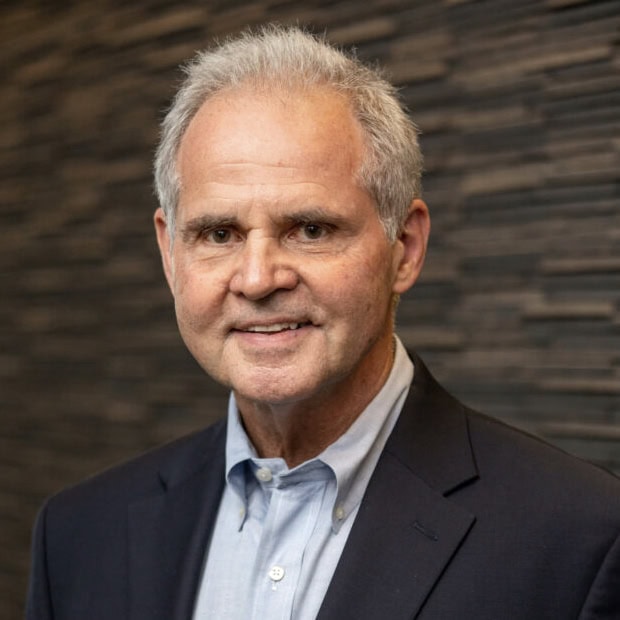
Kevin Flinn, RN
FACULTY
Clinical Research Nurse
Beth Israel Deaconess Medical Center
Beth Israel Deaconess Medical Center
Kevin Flinn is a Clinical Research Nurse at Beth Israel Deaconess Medical Center, specializing in urology and men's health research protocols.
Mohit Khera, MD, MPH, MBA
FACULTY
Professor of Urology
Baylor College of Medicine
Baylor College of Medicine
Dr. Khera is the Director of the Laboratory for Andrology Research at McNair Medical Institute, Baylor College of Medicine.
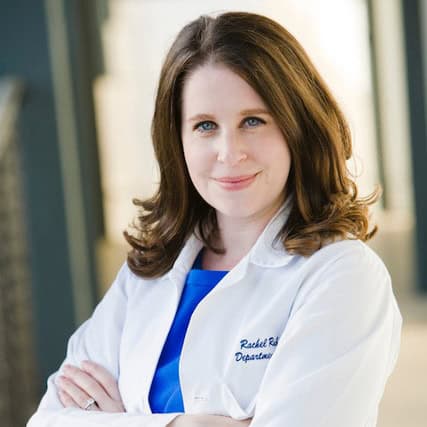
Rachel S. Rubin, MD
FACULTY
Assistant Clinical Professor
Georgetown University
Georgetown University
Dr. Rachel S. Rubin is a board-certified urologist and sexual medicine specialist. She is an Assistant Clinical Professor of Urology at Georgetown University.
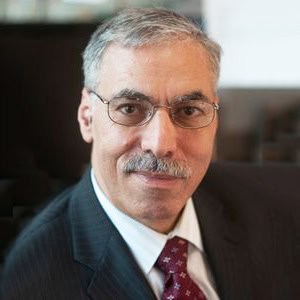
Abdulmaged Traish, PhD, MBA
FACULTY
Professor of Biochemistry and Urology
Boston University School of Medicine
Boston University School of Medicine
Dr. Abdulmaged Traish is a Professor of Biochemistry and Urology at Boston University School of Medicine, known for his extensive research in sexual medicine and endocrinology.


Dr. Sarah L. –
“An excellent course! The insights on testosterone therapy’s impact on sexual health were invaluable.”
Michael T. –
“Highly informative! The faculty presented complex topics in an easy-to-understand manner.”
Emily R. –
“The case studies were particularly helpful. I gained practical skills I can apply in my practice immediately.”
Dr. James K. –
“Fantastic course! The latest research on sexual dysfunction and testosterone therapy was eye-opening.”
Olivia M. –
“I appreciated the focus on patient-centered care. The discussions about treatment options were very relevant.”
David W. –
“The interactive sessions kept me engaged. Networking with other professionals was a bonus!”
Isabella G. –
“An essential course for anyone working in sexual health. I feel much more confident in this area now.”
Noah P. –
“Very well organized! The course exceeded my expectations in content and delivery.”
Mia S. –
“The emphasis on the latest treatment protocols was particularly beneficial. Highly recommend!”
Ethan B. –
“I left with a wealth of knowledge and practical tools to help my patients. Excellent learning experience.”
Liam D. –
“Great discussions on ethical considerations in testosterone therapy. This course is a must for practitioners!”
Emma F. –
“I found the latest research updates to be very enlightening. I can’t wait to apply what I learned!”
Dr. Ava J. –
“Outstanding course! The practical applications discussed are crucial for improving patient outcomes.”